From Our Pasture, To Your Table
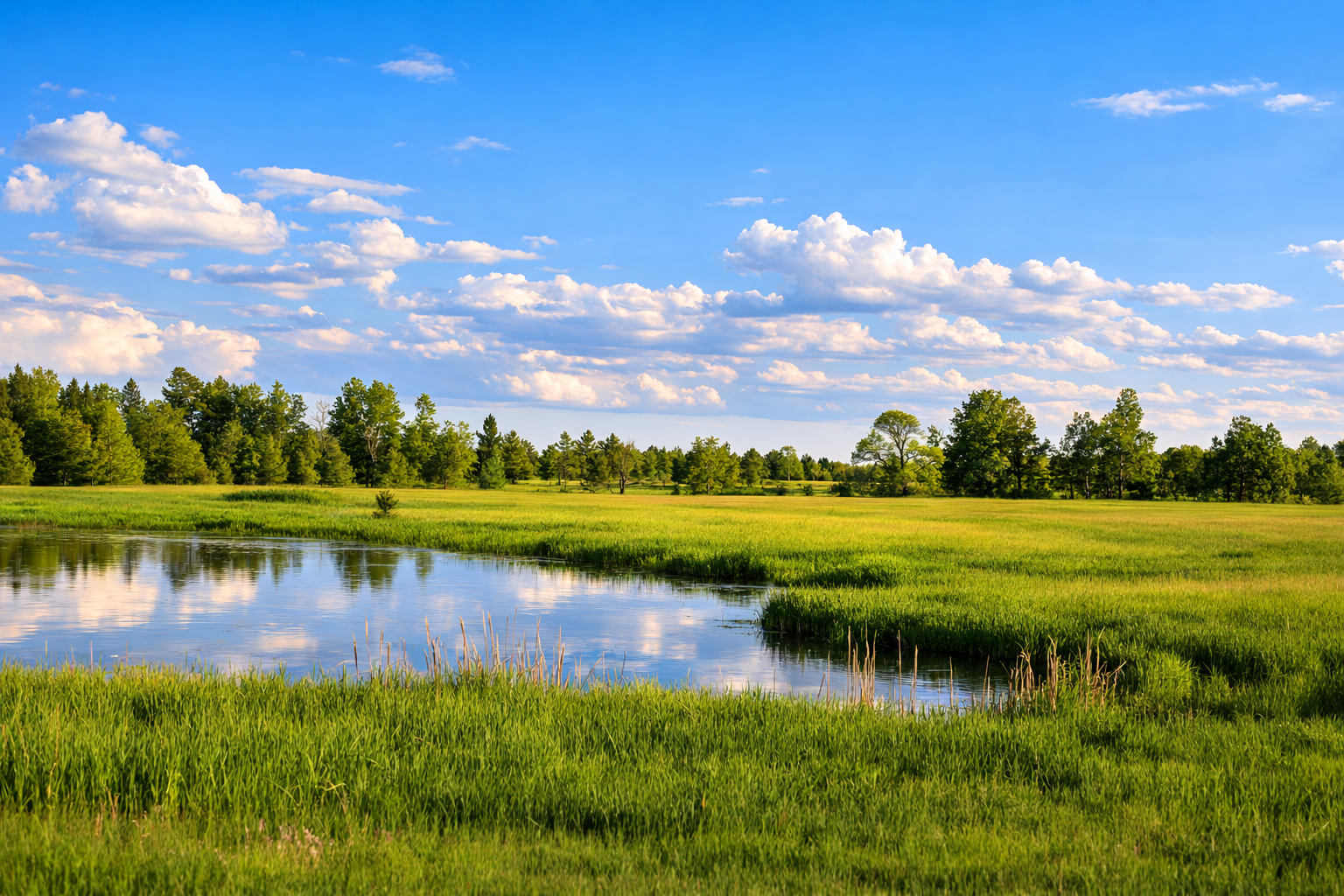
Pond & Pines Farm exists to glorify God by growing food that truly nourishes—abundant in vitamins and minerals. We steward our land through biodynamic, perennial polyculture practices, using no-till methods, building biodiversity, rotating our grazing, and creating healthy wildlife habitat.
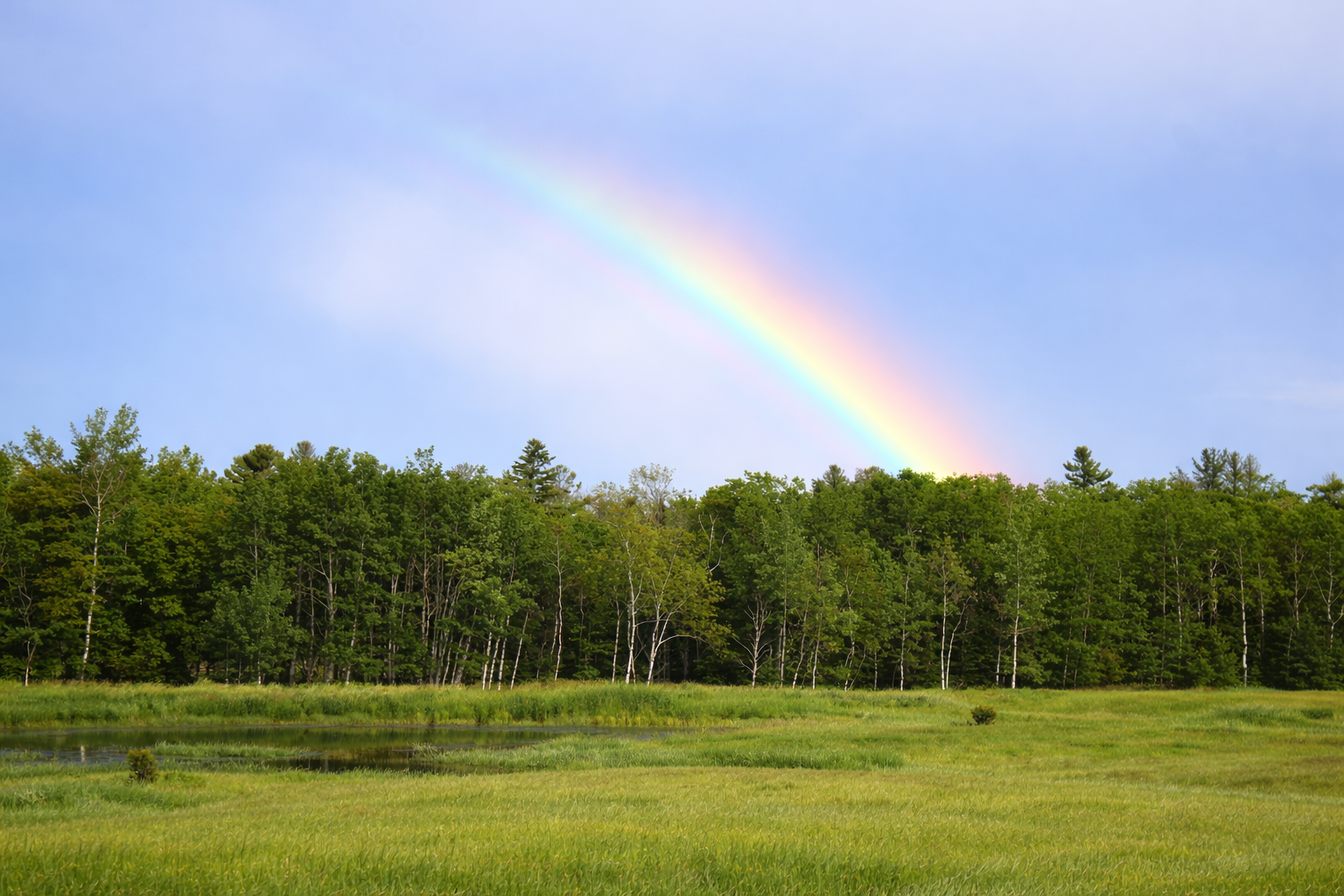
Committed to True Regenerative Agriculture
At Pond & Pines Farm, we are deeply committed to true regenerative agriculture. Our approach goes far beyond simply avoiding harm to the land—we believe we are called to actively restore and heal it. In doing so, we also nourish the people our farm serves.
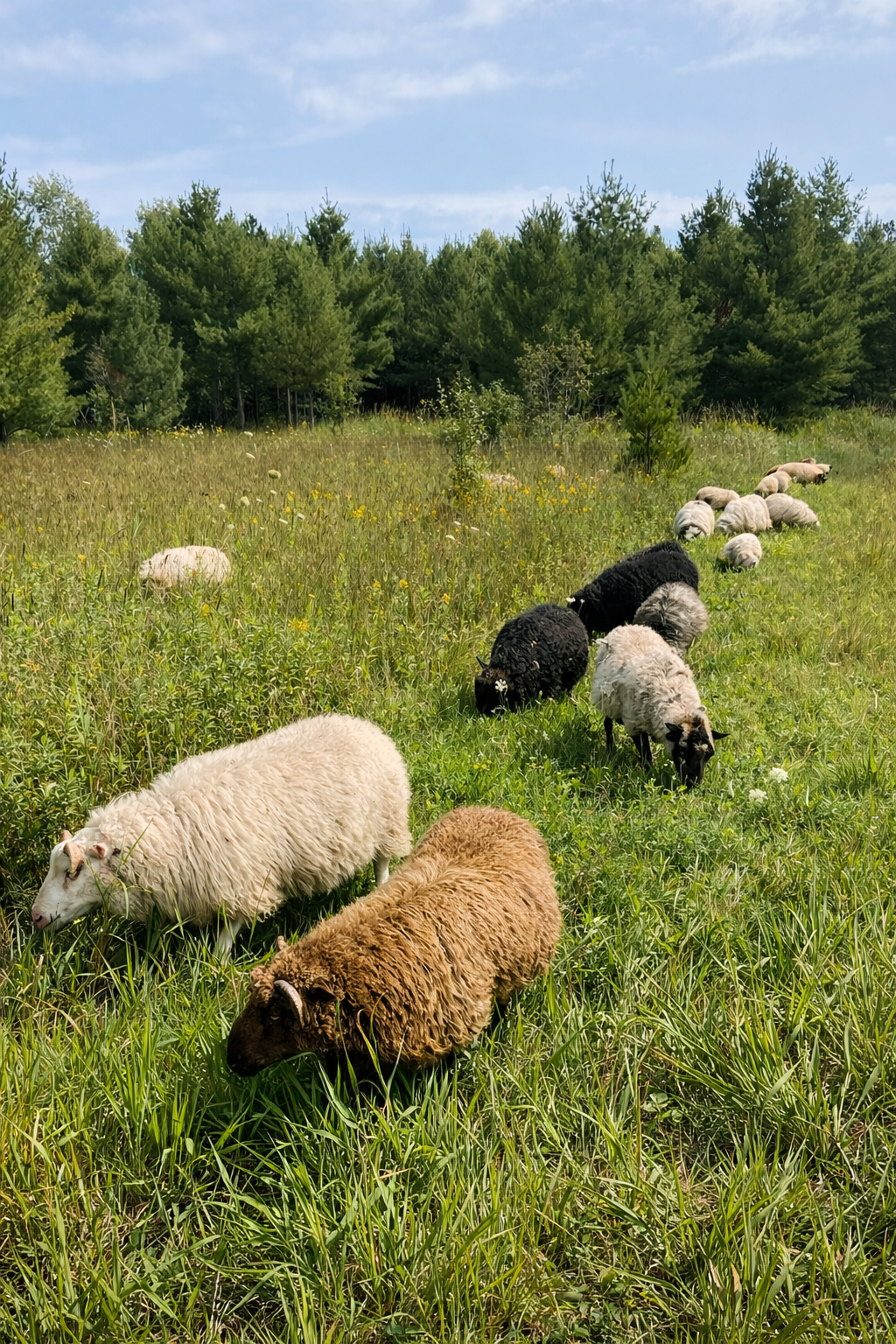
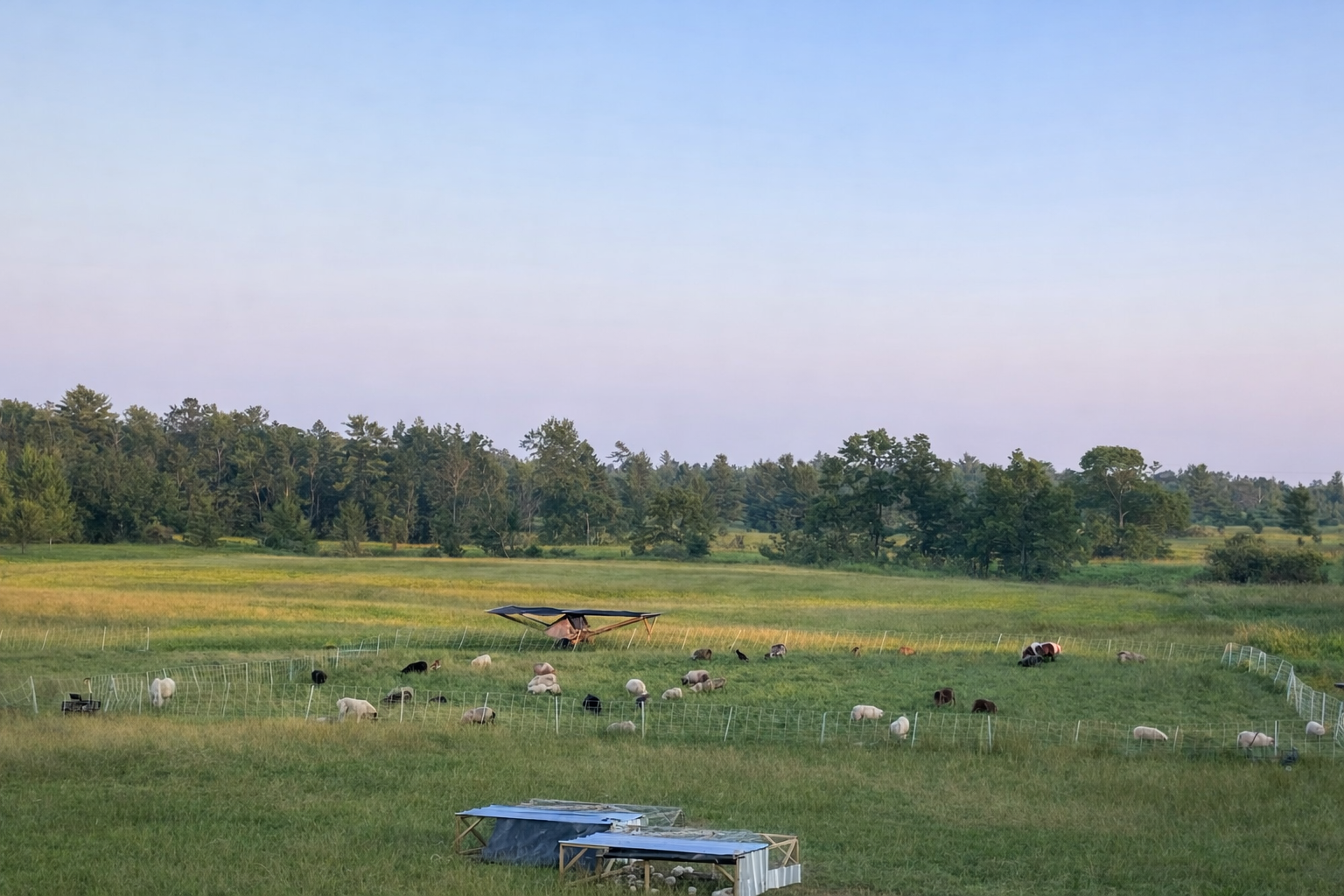
One of the primary ways we steward the land is through intentional rotational grazing. Our sheep and cattle are moved frequently—often daily during the grazing season—mimicking the natural movement of wild herds. This approach not only builds soil health but also supports strong, resilient animals.
We raise our livestock with care and intention, without the use of chemical dewormers, antibiotics, or vaccines. Instead, we focus on supporting their health naturally through high-quality, certified organic minerals, clean salt, Icelandic kelp, occasional organic alfalfa, and diverse perennial polyculture pastures. While many use the term “grass-fed,” our animals enjoy a far richer, more varied diet. Alongside grasses, they graze on legumes and broadleaf plants, browse willow, alder, and aspen, and even nibble on pine and spruce for added nutrients. This diversity translates directly into the quality of the food we produce—meat that is deeply nourishing, rich in minerals, vitamins, and beneficial fats.
Well-managed, pasture-raised meat offers benefits many people don’t realize are possible. Truly 100% grass-fed lamb and beef contain valuable compounds such as CLA and TVA, which have been studied for their potential role in supporting overall health. Our goal is simple: to raise food of the highest integrity and nutritional value because we believe that what you put on your table matters.
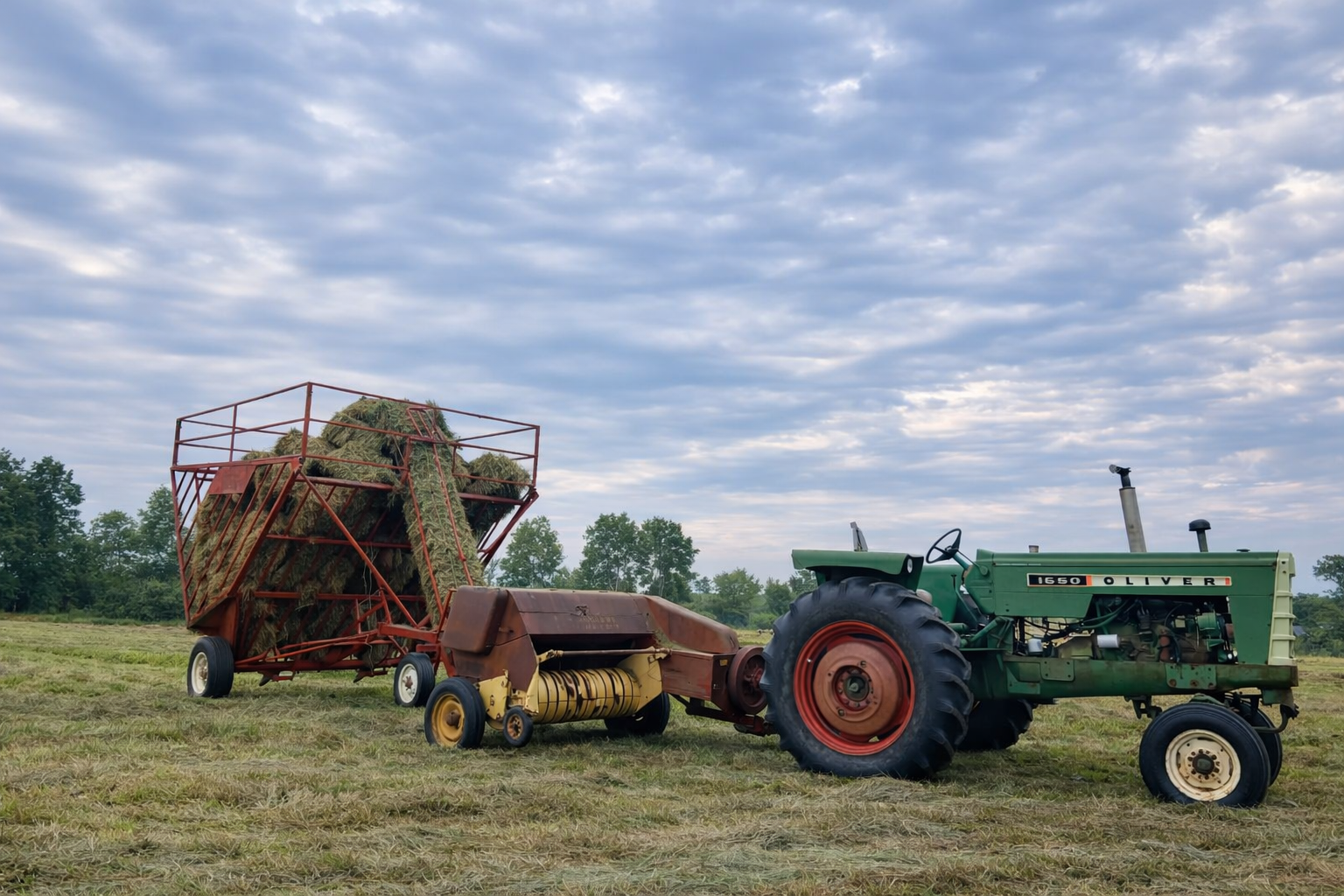
Through every season—moving livestock in the rain, harvesting hay at the height of summer, and preparing for the long winter months—we remain committed to caring for our land, our animals, and ultimately, for you.